-
Welcome to your new Gnomio site
Now, you are in control!
Moodle is an open-source Learning Management System (LMS) that provides educators with the tools and features to create and manage online courses. It allows educators to organize course materials, create quizzes and assignments, host discussion forums, and track student progress. Moodle is highly flexible and can be customized to meet the specific needs of different institutions and learning environments.
Moodle supports both synchronous and asynchronous learning environments, enabling educators to host live webinars, video conferences, and chat sessions, as well as providing a variety of tools that support self-paced learning, including videos, interactive quizzes, and discussion forums. The platform also integrates with other tools and systems, such as Google Apps and plagiarism detection software, to provide a seamless learning experience.
Moodle is widely used in educational institutions, including universities, K-12 schools, and corporate training programs. It is well-suited to online and blended learning environments and distance education programs. Additionally, Moodle's accessibility features make it a popular choice for learners with disabilities, ensuring that courses are inclusive and accessible to all learners.
The Moodle community is an active group of users, developers, and educators who contribute to the platform's development and improvement. The community provides support, resources, and documentation for users, as well as a forum for sharing ideas and best practices. Moodle releases regular updates and improvements, ensuring that the platform remains up-to-date with the latest technologies and best practices.
Links of interest:
(You can edit or remove this text)
Available courses
This course explores the range of services, organizations, and support systems available within local communities. Students learn how to identify, evaluate, and access community resources that address social, economic, health, and educational needs.
Topics include the roles of public and private agencies, nonprofit organizations, and government programs in supporting individuals and families. The course also emphasizes advocacy, referral processes, and collaboration with community stakeholders.
Through case studies and practical activities, students develop skills in resource mapping, client support, and effective communication with service providers. By the end of the course, students will be able to connect individuals to appropriate resources and understand the impact of community services on overall well-being.
- Teacher: Joyline Chepkirui
- Teacher: Joyline Chepkirui
- Teacher: Richard Yahuma
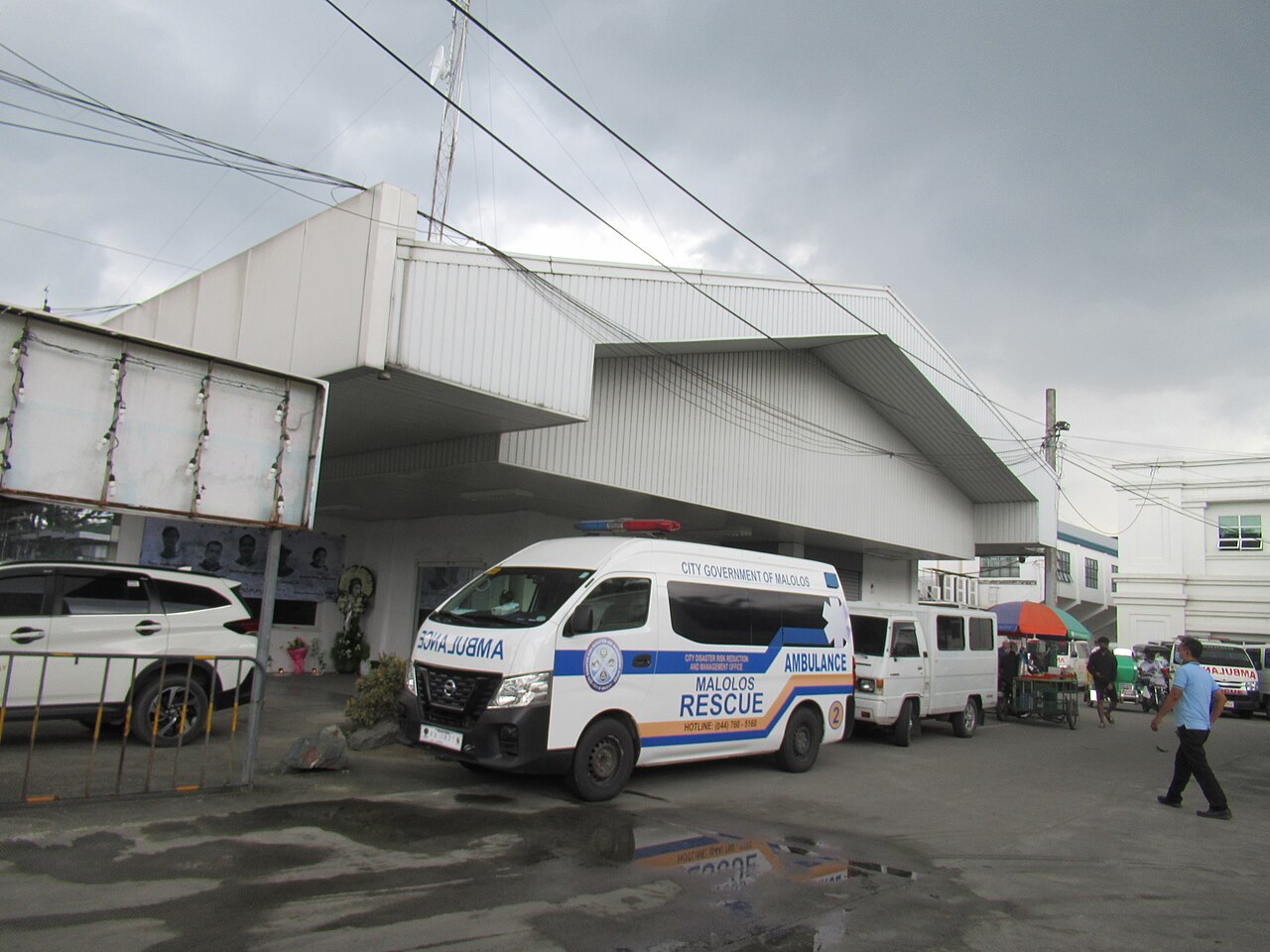
This course provides trainees with knowledge, skills, and attitudes required to effectively manage disasters within the community. It covers the concepts of disaster management, types and causes of disasters, and the various phases involved in managing disasters including prevention, preparedness, response, and recovery.
The course also equips trainees with practical skills in risk assessment, emergency planning, coordination with stakeholders, and community participation in disaster management. Emphasis is placed on reducing vulnerability, enhancing resilience, and ensuring safety and well-being of individuals and communities during disaster situations.
- Teacher: Joyline Chepkirui
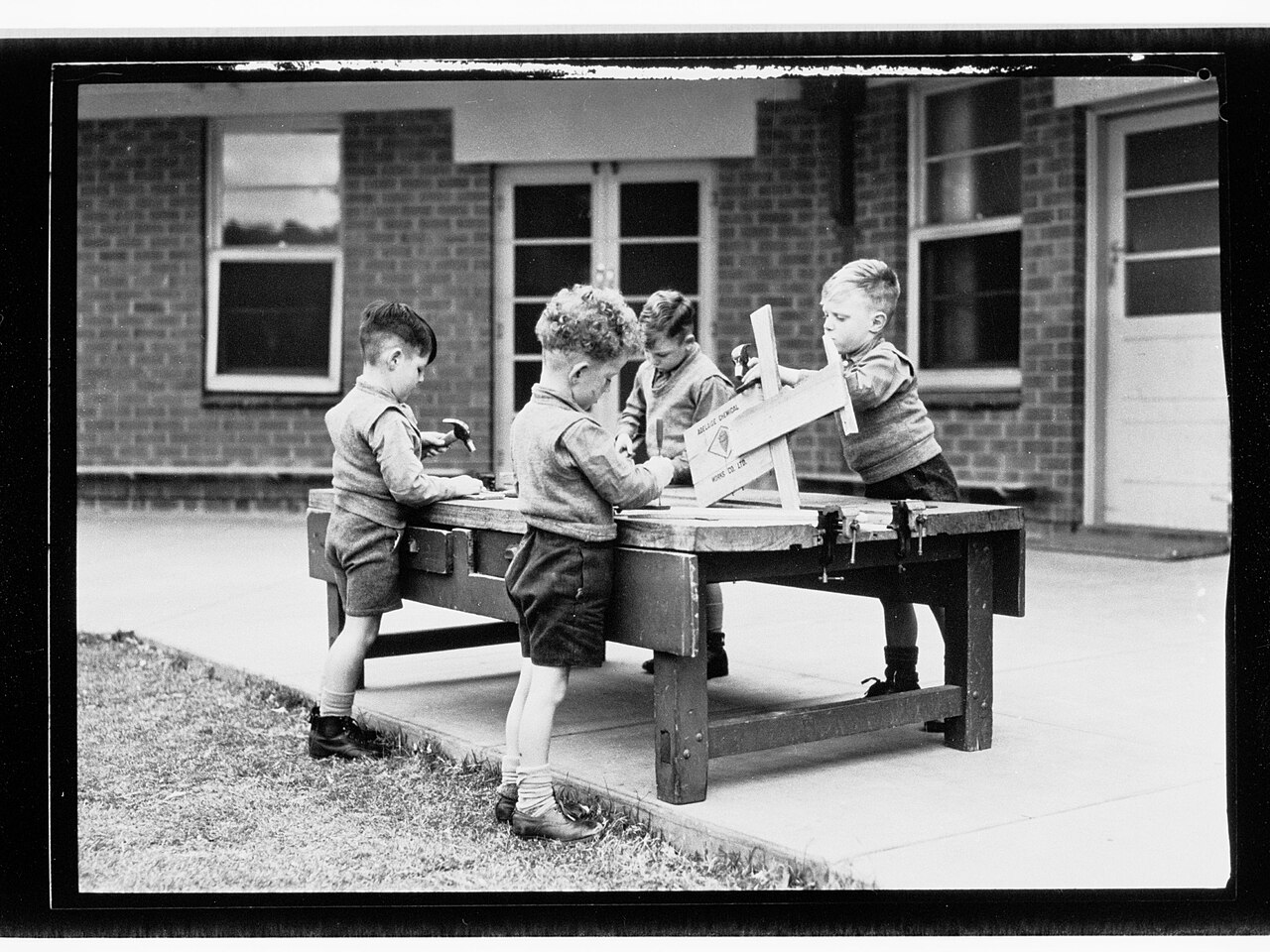
A Child Welfare Programme is a structured set of services and interventions aimed at protecting children and promoting their overall well-being. It focuses on ensuring that every child grows in a safe, healthy, and supportive environment where their rights are respected and fulfilled.
Children are a vulnerable group in society and may face challenges such as abuse, neglect, poverty, lack of education, and exploitation. This programme is designed to address these challenges by providing protection, care, support, and development opportunities.
The course introduces trainees to key concepts such as child rights, child protection, identification of vulnerable children, and provision of support services. It also emphasizes the role of families, communities, government, and organizations in safeguarding children.
Through this course, trainees gain skills in planning, implementing, monitoring, and evaluating child welfare programmes to ensure effective service delivery and improved outcomes for children.
- Teacher: Joyline Chepkirui
This unit describes the competencies required to coordinate rehabilitation and reintegration
programs. It involves establishing social economic maladjustment, assessing client’s needs, developing
client’s recovery plan, executing client’s recovery plan, reintegrating client to the family and community,
conducting client reintegration follow up
- Teacher: Joyline Chepkirui
- Teacher: Richard Yahuma